Emotional Literacy and Self-Regulation

Why Teach Emotional Literacy and Self-Regulation?
Teaching emotional literacy and self-regulation is a key part of our curriculum at Silfield Oak, promoting our school values of kindness, belonging, curiosity for children to shine.
Regulation is something everyone continually works on whether we are aware of it or not. We all encounter trying circumstances that can test our limits. If we can recognise when we are becoming less regulated, we are able to do something about it to manage our feelings and get ourselves to a healthy place. This comes more naturally for some, but for others it is a skill that needs more attention and practice. This is the goal of The Zones of Regulation.
Sorting Our Emotions into Four Zones
Feelings are complicated. They come in different sizes, intensities, and levels of energy that are unique with in our brains and bodies. To make them easier to talk about, think about, and regulate, The Zones of Regulation organises our feelings, state of alertness, and energy levels into four coloured Zones:
Blue, Green, Yellow, and Red.
The simple, common language and visual structure of Zones of Regulation helps make the complex skill of regulation more concrete for learners and those who support them. We learn to regulate our Zones to meet our goals and task demands, as well as support our overall well- being.
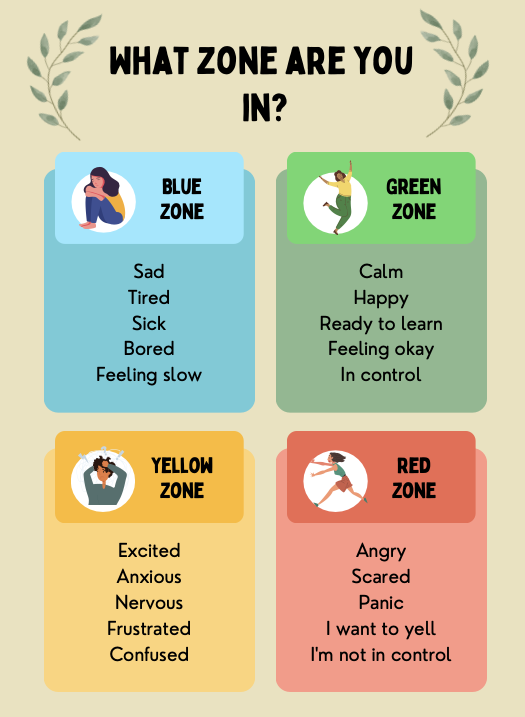
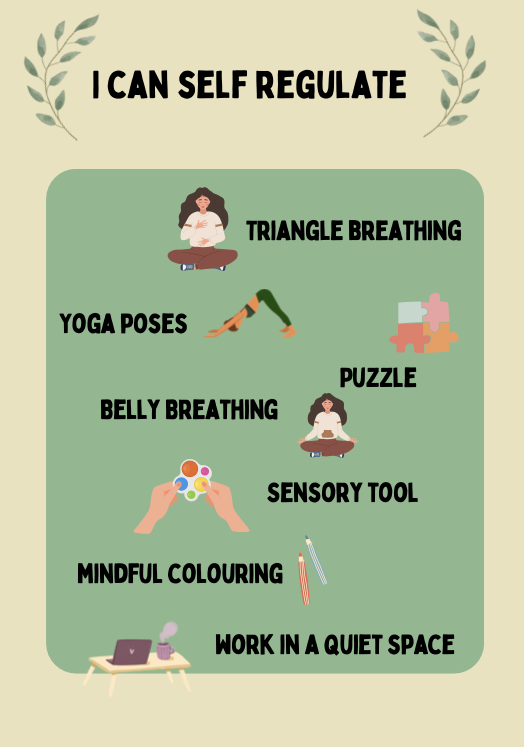
Emotion check-ins
Each of our classrooms hosts an emotion house where children can place their named peg doll into the zone in which they are feeling at key times of the school day. Adults respond to these and plan in any additional support that the children need to support, including with regulating their emotions. In addition there is a space for the child to add their peg doll to ‘please can I talk’ if they would like a more in-depth conversation with an adult or to talk through any worries they have.

The Colour Monster
In the EYFS and KS1 children learn emotional literacy through the book of ‘The Colour Monster’ providing them with a story and visuals to learn about and apply to the zones of regulation. This is revisited regularly for the children, learning new vocabulary associated with their feelings. The children build up their own ‘tool’ kit to use when they are in different zones to support them with self-regulation.
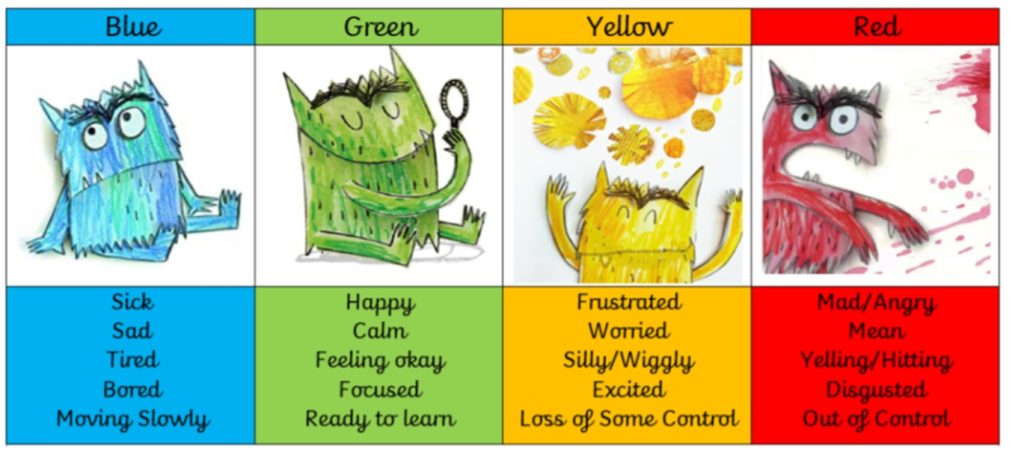
The Whole of Me
We use The Whole of Me programme to promote physical and mental health and development, providing children with strategies to support with regulation. These support the vestibular sense and proprioception.